The Babylonian and Hebrew flood narratives are central to the fictional history of the tablet in the novel. Their relationship is also one of the most famous points of contact between Mesopotamian literature and the Hebrew Bible.
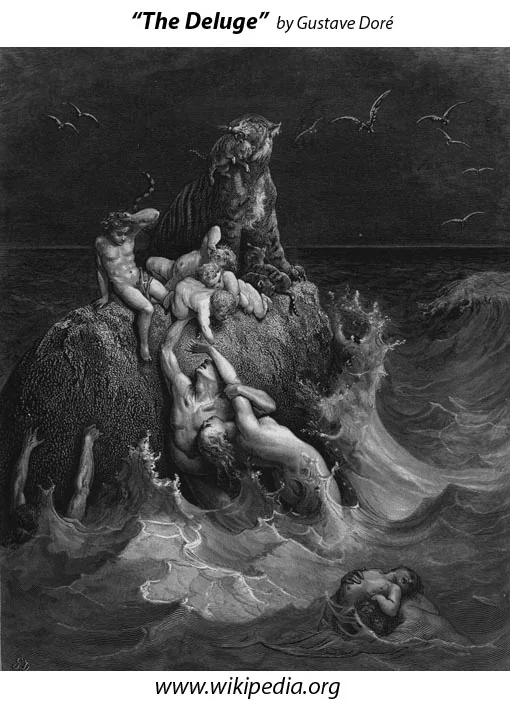
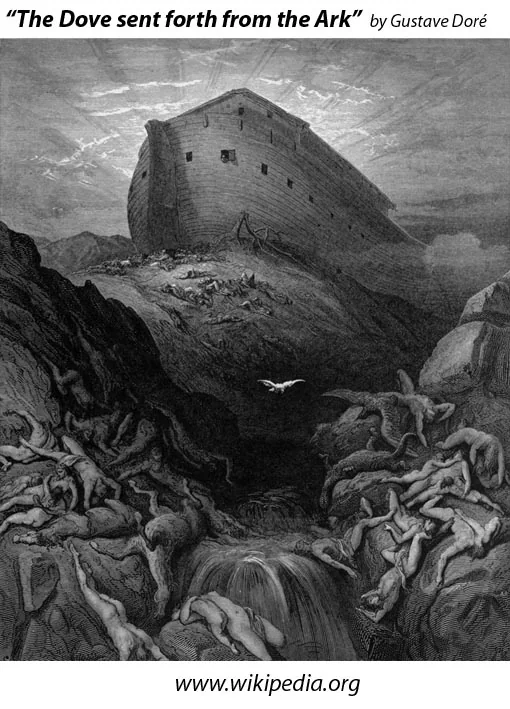
Two floods, strikingly similar
In 1872, George Smith identified a flood narrative on a cuneiform tablet from Nineveh belonging to the Standard Babylonian version of the Epic of Gilgamesh. The parallels with Genesis were immediately striking. Utnapishtim, like Noah, is warned of a catastrophic flood and instructed to build a vessel. Life is preserved aboard it; the vessel eventually comes to rest; birds are released to test whether the waters have receded; and a sacrifice follows survival.
Flood traditions occur in many cultures, but the closeness of the Mesopotamian and biblical narratives has generated a particularly long scholarly discussion. The Babylonian material is demonstrably rooted in traditions earlier than the surviving Standard Babylonian Gilgamesh: versions of the flood appear in the Atrahasis epic and in earlier Sumerian material.
What the novel does with this
The 13th Tablet does not attempt to settle the historical relationship between these traditions. Instead, the existence of multiple, related flood narratives becomes the starting point for a fictional question: what if another text survived whose version was significantly different?
That distinction matters. The Mesopotamian flood tablets, the biblical text and the history of their discovery are real. Mina’s “thirteenth tablet” is not.
A. R. George, The Babylonian Gilgamesh Epic (Oxford University Press, 2003); D. Damrosch, The Buried Book (2007); T. Frymer-Kensky, “What the Babylonian Flood Stories Can and Cannot Teach Us About the Genesis Flood”, Biblical Archaeology Review (1978).