上
Volume I · 20 May 2014
13番目の石板 上
Take Shobo · translated by 森野そら (Sora Morino)
ISBN 978-4-8124-8900-0
Edition details
Novel
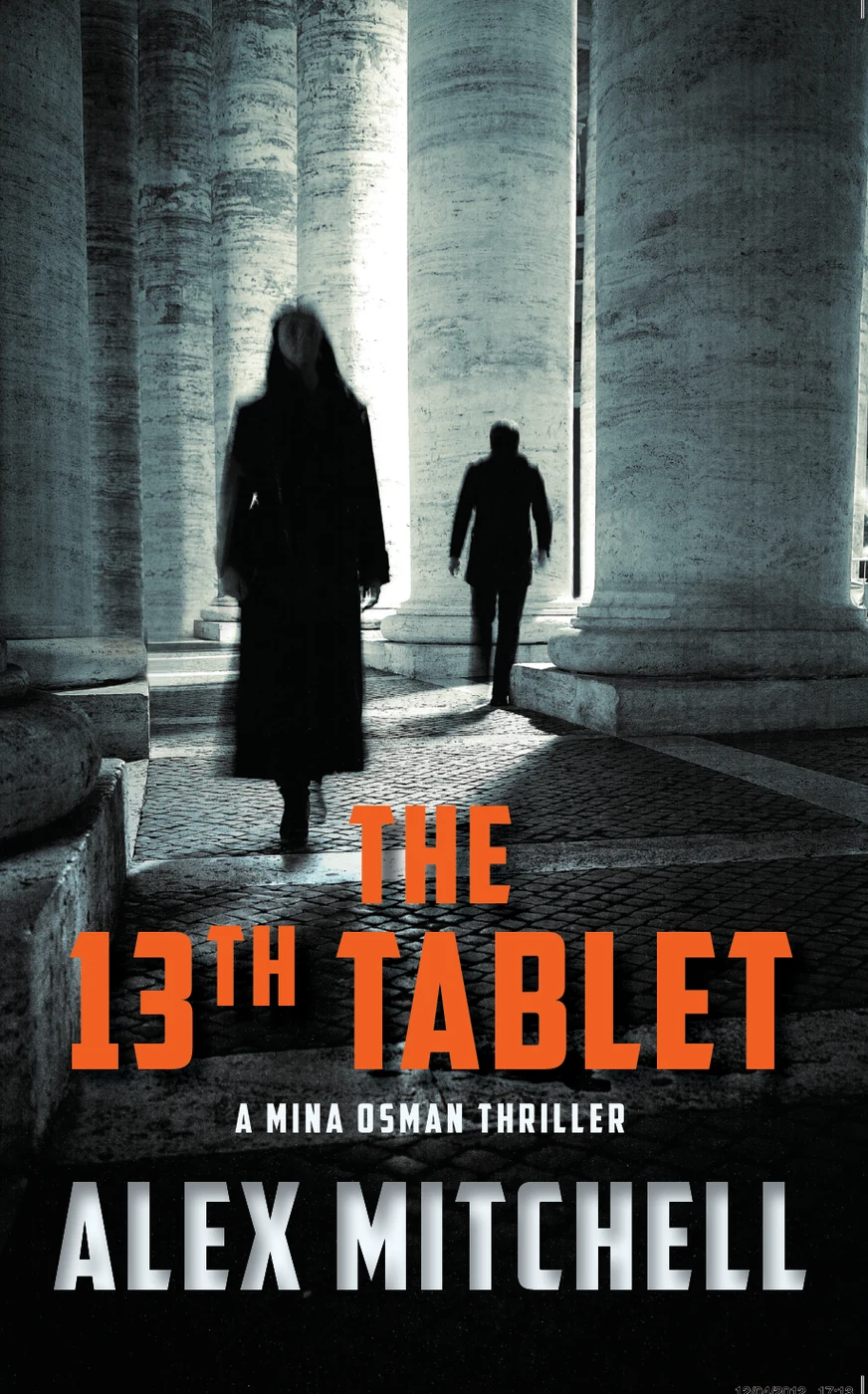
An archaeological thriller about a looted cuneiform tablet, ancient flood traditions and the dangerous uses of knowledge.
The story
Lawlessness is spreading throughout the country and looters have plundered museums and archaeological sites. Mina Osman, a young American archaeologist of Iraqi descent, is trying to protect what remains.
When she encounters an ancient cuneiform tablet, its cryptic text points towards something far more consequential than another object on the antiquities market. With former US Army Major Jack Hillcliff, Mina follows its history across countries and centuries while others pursue the tablet for very different reasons.
Watch
A short trailer made for the original publication of The 13th Tablet. The video is loaded only when you choose to watch it, keeping this page fast.
Watch on YouTube
International edition
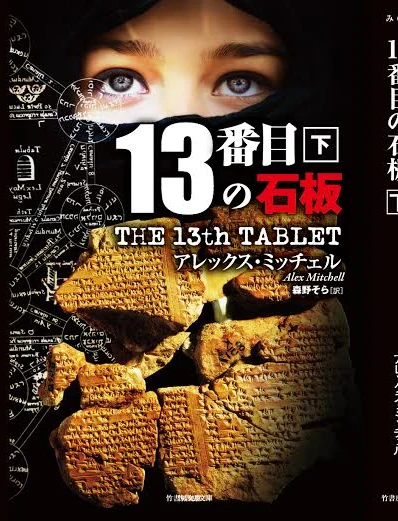
Take Shobo published the novel in Japan in 2014 as a two-volume paperback translation by Sora Morino.
Take Shobo · translated by 森野そら (Sora Morino)
Take Shobo · translated by 森野そら (Sora Morino)
Reader reviews
Selected reader responses from Amazon UK and US. The short summaries below paraphrase the original reviews.
Jonathan Oakey highlighted the speed of the story and the historical material underpinning the plot.
David Konstan praised the balance between action and learning, from Iraq and Israel to ancient Babylonian riddles and later Jewish traditions.
Roseanya particularly enjoyed Mina as the active rescuer at the centre of the thriller rather than a passive heroine.
Misty Meanor singled out the academic grounding of the novel and its treatment of the destruction and looting of Iraq’s archaeological heritage.
Paul S described reading the novel on an intercontinental flight and being reluctant to stop when the plane landed.
cathk recommended the pace of the thriller and especially enjoyed the Jewish historical background woven into it.
Behind the novel
The research goes much further than the novel needs. These short companion notes preserve some of it for readers who want to follow the historical threads. Several also restore images from the original Haus companion material produced for the book.
Why the Mesopotamian and biblical flood narratives are so closely connected — and where the fiction begins.
Read research note →A real twelfth-century traveller whose itinerary provided a bridge between antiquity and the imagined history of the tablet.
Read research note →A modern religious tradition connected with the Ari and the mystical geography used in the novel.
Read research note →How the fictional artefact was turned into a physical object from drawings, photographs and archaeological notes.
Read research note →A small piece of hydraulic archaeology that enters the thriller without stopping the story for a lecture.
Read research note →How archaeological uncertainty becomes fictional material — and why this remains a contemporary thriller rather than a historical novel.
Read research note →Events & appearances
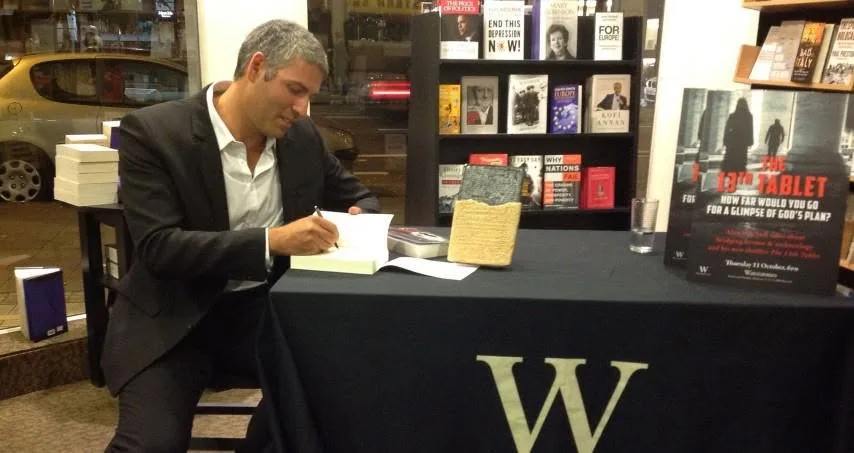
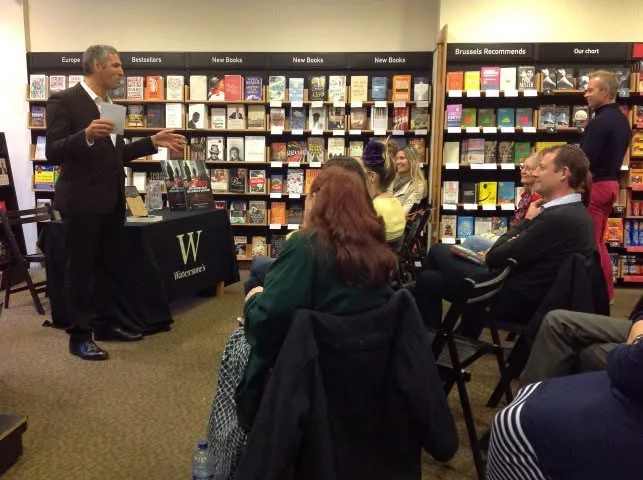
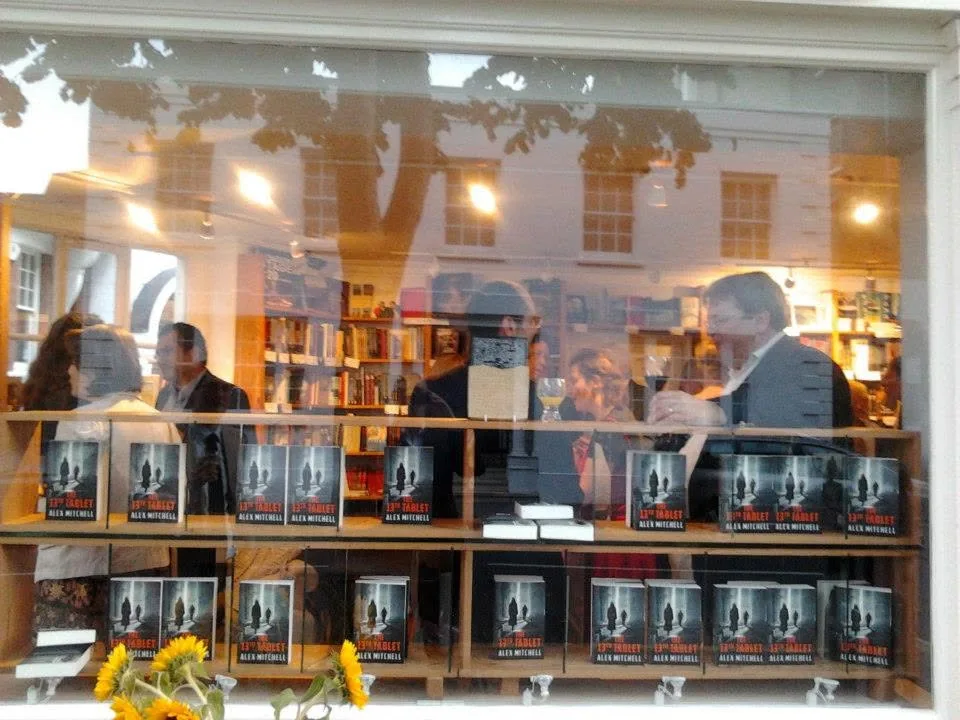
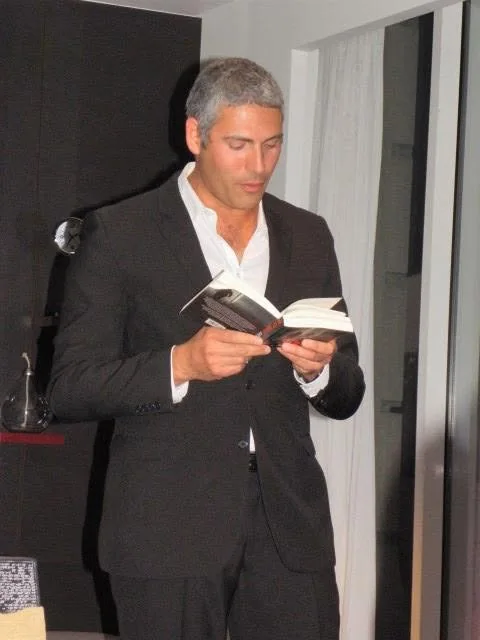
Launch-period talks, readings and signings in Brussels.
Publication history